
Protected: An apparent Timberline Brewer’s Sparrow in sagebrush habitat
There is no excerpt because this is a protected post.
Protected: An apparent Timberline Brewer’s Sparrow in sagebrush habitat Read More »
There is no excerpt because this is a protected post.
Protected: An apparent Timberline Brewer’s Sparrow in sagebrush habitat Read More »
Detailing my new discovery that male and female Eastern Kingbirds are reliably distinguished by head shape – with the male having a more triangular head. This was verified across multiple birds in Montana, but needs further testing and might only work on adults. On a recent trip to Montana (June 2026) a pair of Eastern
Male and female Eastern Kingbirds have different head shapes Read More »
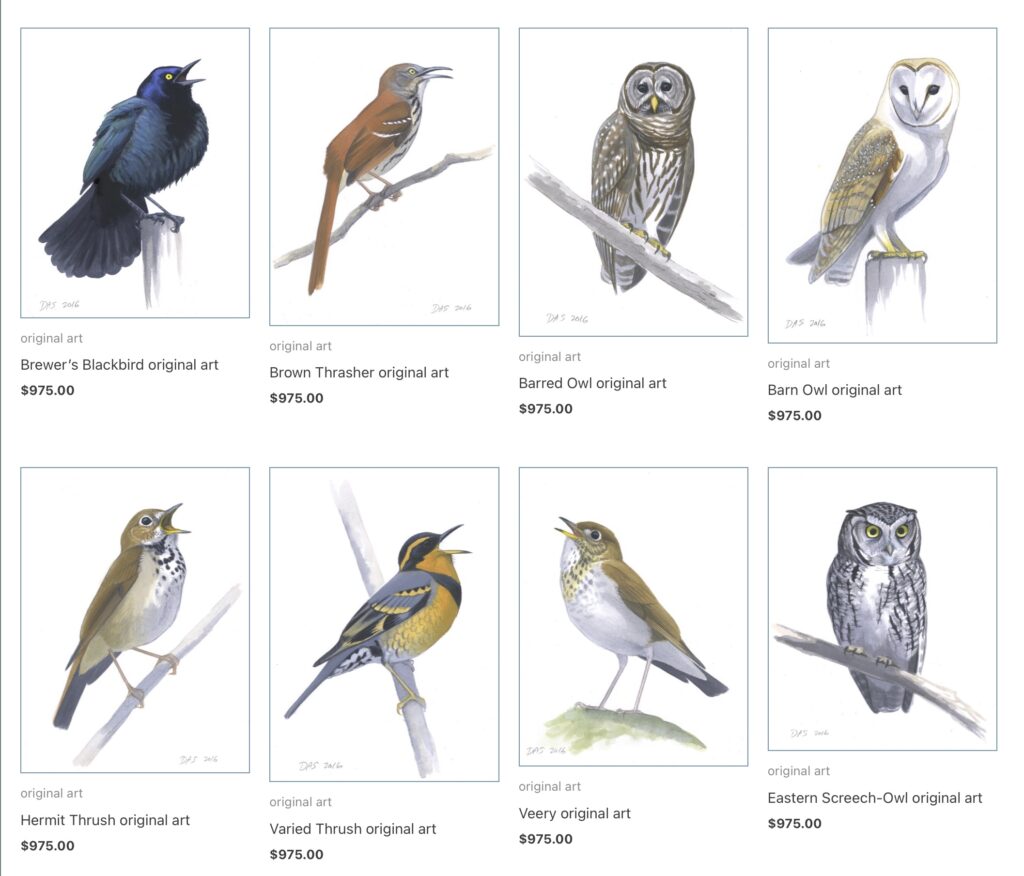
The Sibley Guide to Birds was published in 2000 – twenty-six years ago! I did a lot of touching-up of the original art for the second edition in 2014, but since 2020 most of my new work for the Sibley Birds app and other projects has been digital. I have decided to make some of
Original art from the Sibley Guide to Birds is now available Read More »
Following up on my earlier post about structural differences, here is a discussion about plumage differences between Mangrove and Northern Yellow Warblers. This post focuses on the two populations that are expected in Florida and the Caribbean – Mangrove Yellow Warbler (Greater Antillean group) and Northern Yellow Warbler (Eastern group). Other populations of both species
Identifying Mangrove and Northern Yellow Warblers in Florida and the Caribbean Read More »
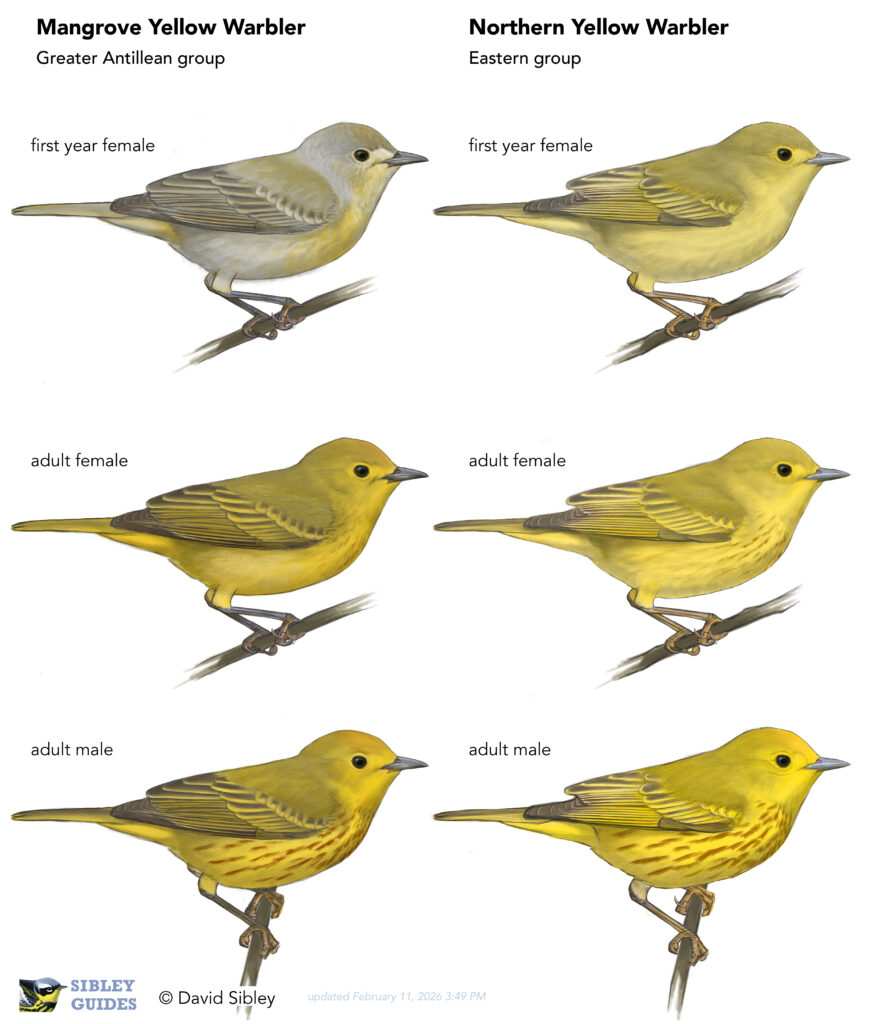
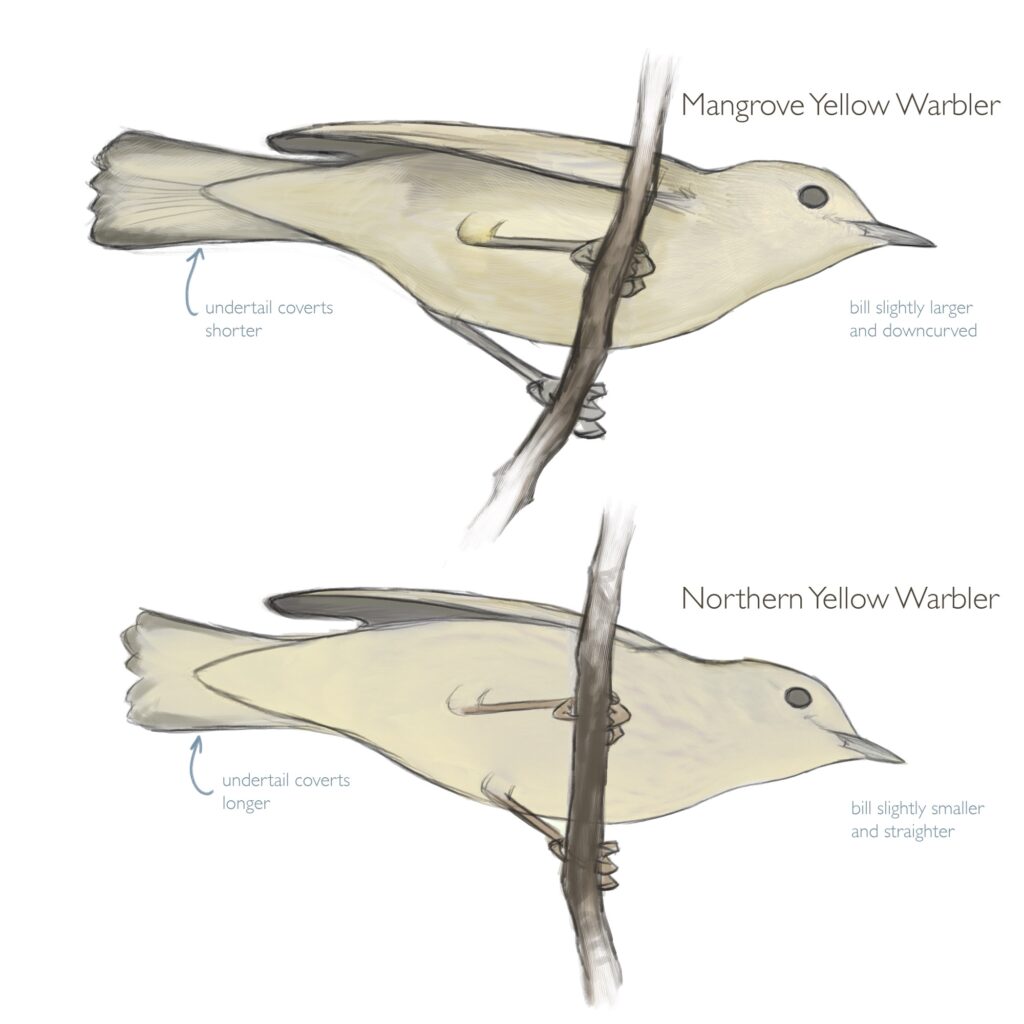
The split of Yellow Warbler into two species in 2025 (by Avilist) brings a challenging identification issue into the mainstream. It is possible to identify most by plumage color (more details here), but differences in the shape of body, wings, and bill provide more consistent clues for identification. Northern undertail coverts longer and fuller, which
The two species of Yellow Warbler differ in structure Read More »
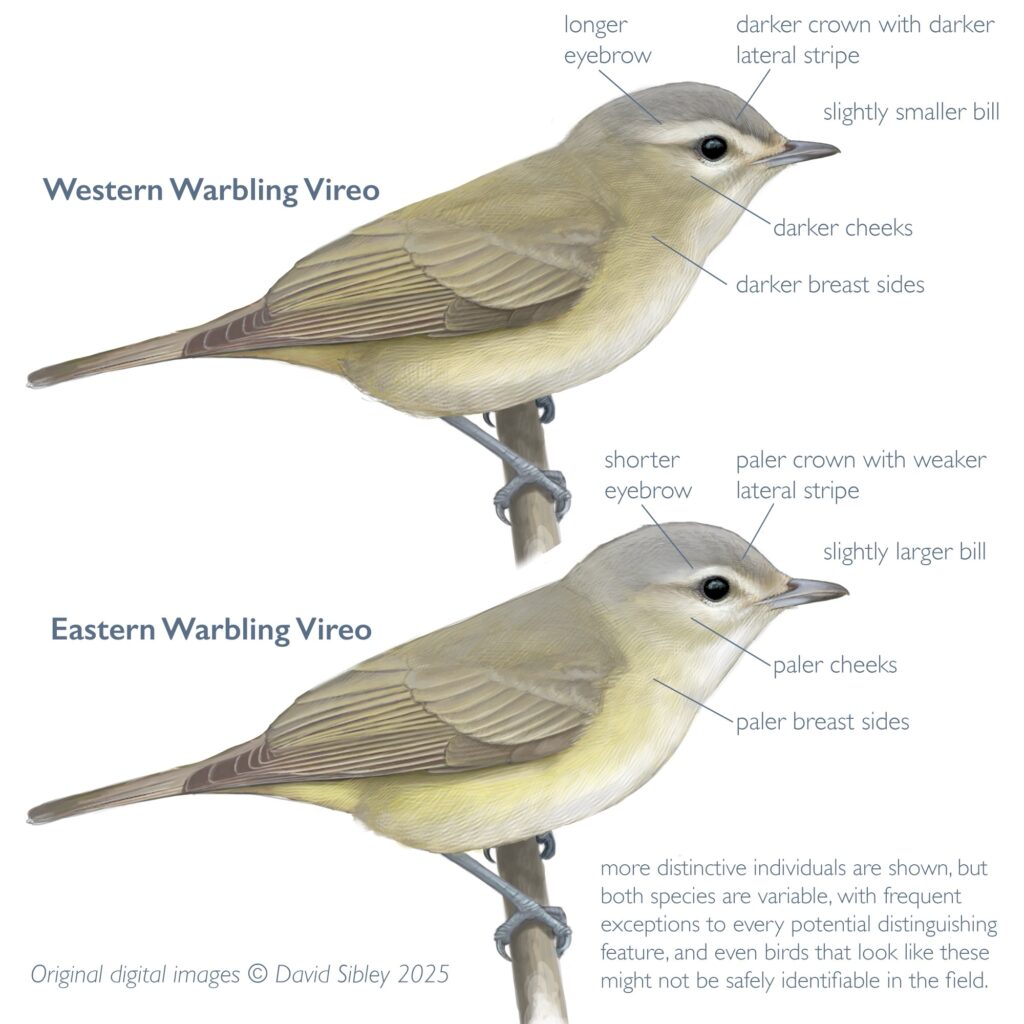
Summary: In practice virtually all will be identified presumptively by range. Positive identification depends on careful analysis of details of song (but questions remain about variation in song). Positive identification of silent birds is not possible on current knowledge. The Warbling Vireos were considered a single continent-wide species until 2025, when two species – Eastern
Identification of Eastern and Western Warbling Vireos Read More »
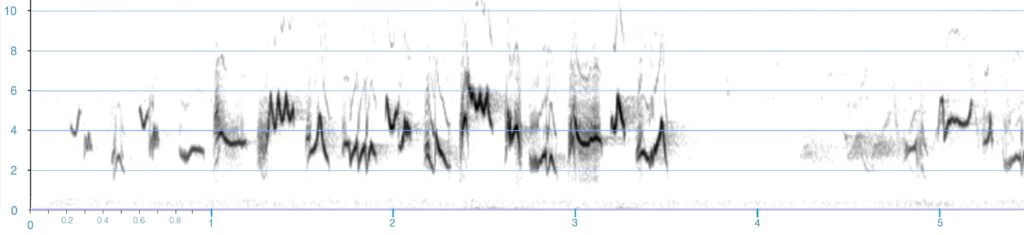
This is a supplement to my post about identification of Warbling Vireos, which covers the basics of distinguishing them by song In 2025 AOS and eBird split Warbling Vireo into two species, named Eastern and Western Warbling Vireo. Differences in song provide the best way to identify the two species, but there is variation, including
Variation in song of Warbling Vireos Read More »
This morning (Oct 13, 2025) my Facebook page was hijacked and is being filled with spam AI videos. I am waiting for Facebook to restore control to me. In the meantime please spread the word to ignore those posts, and check back in a few days. Thanks for your support and patience. Stay healthy and
My Facebook page hijacked Read More »
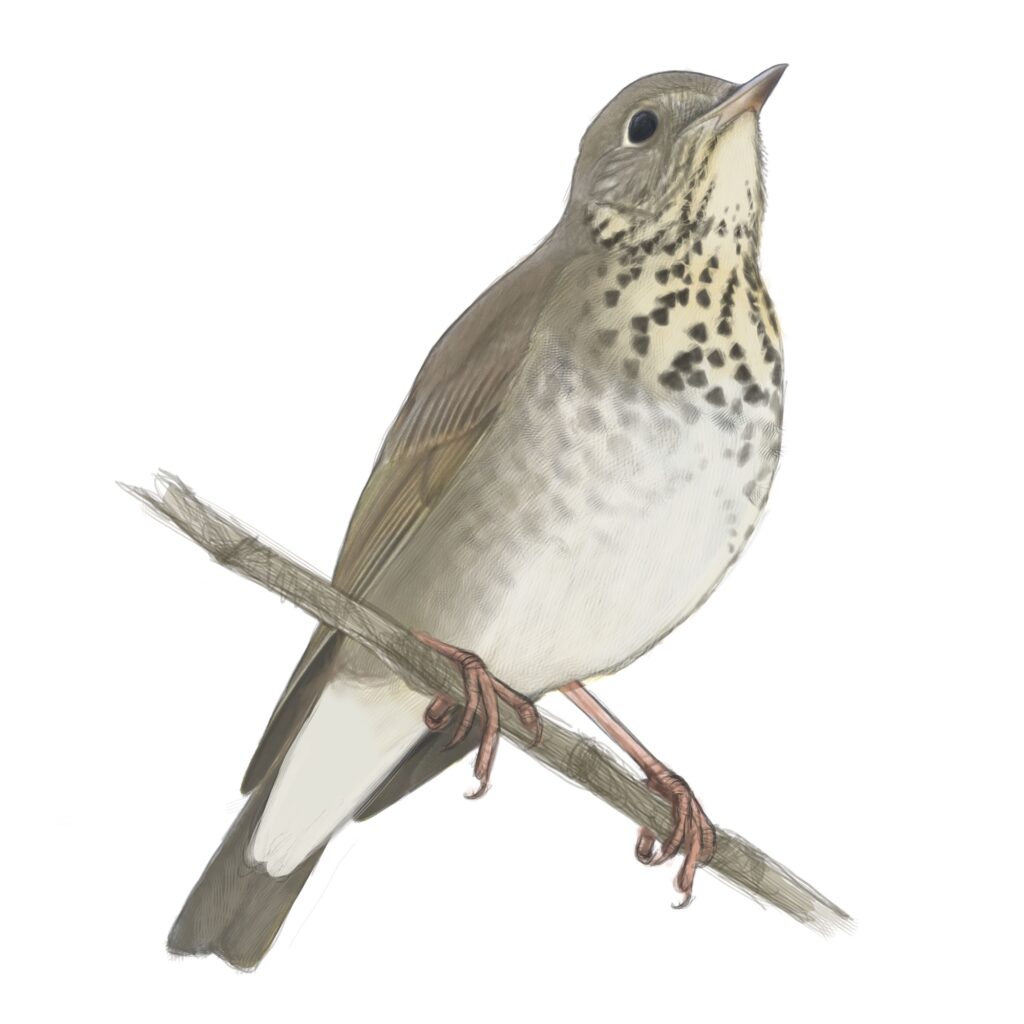
The spotted thrushes are notoriously difficult to identify. Differences are subtle and subjective, the birds are variable, and it’s often difficult to get a good view of them. On top of that, when we see a thrush it’s usually just that, one bird. It’s difficult to judge subtle comparative differences when there is no direct
Distinguishing Hermit Thrush and Gray-cheeked Thrush Read More »
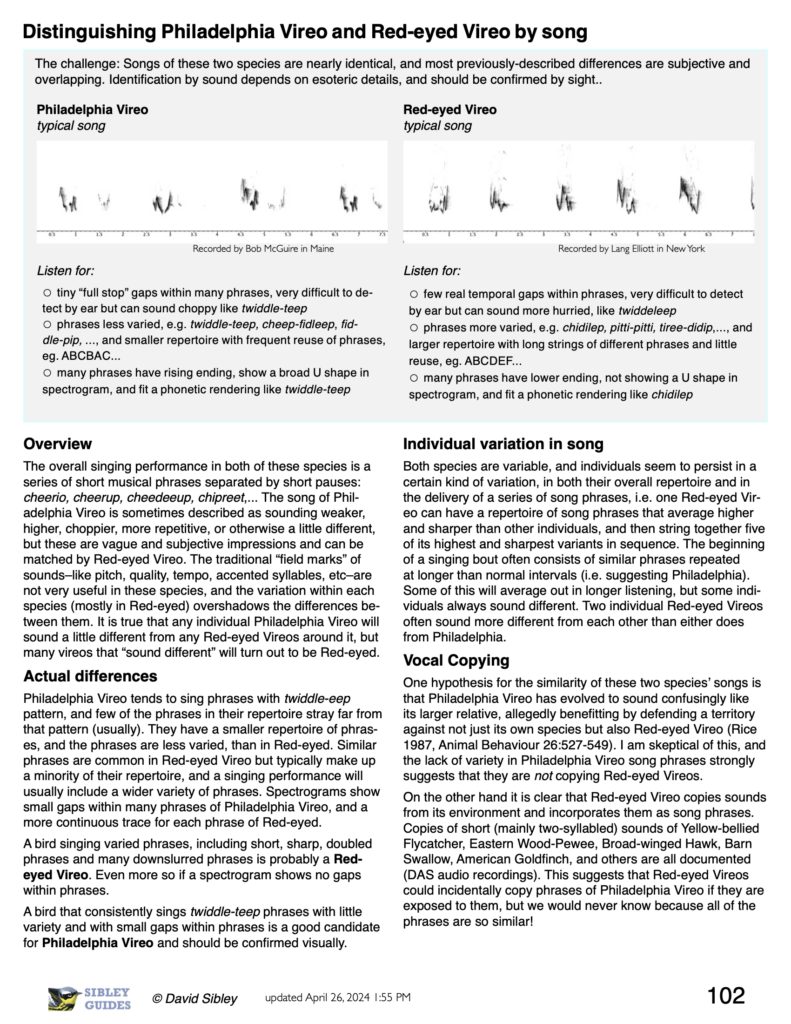
Possible? It might be, but most of the widely published “differences” are too subjective and/or too variable to be of any value. I dug into this a couple of years ago and discovered some details that seem more reliable, which are summarized in the one page file here (also as a pdf via this link:
Distinguishing Philadelphia and Red-eyed Vireos by song: Is it possible? Read More »